OVERVIEW
The NC 1:1 Learning Technology Initiative is a strategic initiative to support high schools throughout North Carolina in achieving the mission articulated by the NC State Board of Education: Every public school student will graduate from high school, globally competitive for work and postsecondary education and prepared for life in the 21st century. The North Carolina Learning Technology Initiative (NCLTI) is specifically designed to address:
Equity, providing all students access to 21st century teaching, learning, and technology;
Engagement, involving students in active learning and thereby improving student achievement and increasing graduation rates.
Economic development, providing all students with workplace skills such as communication, problem solving, and collaboration, along with content expertise, to make each region of the state more attractive to businesses.
While the most visible component of NCLTI is providing a wireless computing device for every student and teacher, the Initiative also addresses pedagogy, technology infrastructure, policy, professional development, community engagement, funding, and organization as necessary components of a sustainable model for supporting future-ready students in North Carolina.
NCLTI builds upon the NC School Connectivity Program, which provides schools with the necessary broadband connectivity; Project IMPACT, which demonstrated the potential of technology combined with professional development for teachers to result in improved student learning; and the Evaluation of the NC 1:1 Learning Initiative, which is providing important lessons and models to inform a large scale, statewide plan. In addition, NCLTI will support and extend other initiatives, such as the North Carolina Virtual Public School, the new content standards and assessments being developed by the NC Department of Public Instruction, the new teacher and administrator standards, the graduation project requirement, comprehensive data systems, LEARN NC, the Early College and Redesigned High Schools, and local 1:1 initiatives.
Research on the impact of technology in high schools in general, and on 1:1 computing programs in North Carolina and in other states, shows that success in NCLTI will require the following:
A well-articulated vision and rationale for the NCLTI approach, along with a strategic plan for implementing the approach.
Engagement and support from all constituents of the school community, including the LEAs, local government, the business community, and parents;
Collaborative school and district leadership teams comprised of instructional, curriculum, technology, and administrative leaders who are committed to the NCLTI approach;
Professional development and ongoing support for teachers as they reshape and update teaching practices to take full advantage of the available technology, as well as for administrators as they update school management practices and support the teachers;
School-based staff, such as instructional technology facilitators and media specialists, who provide instructional support for the use of technology to enhance learning;
A portable, wireless computer device for each student, teacher, and administrator;
Additional technology to support teaching and learning in each classroom, such as a scanner, projector, digital white board, document camera, and digital camera;
High bandwidth connectivity to the school and sufficient wireless connectivity throughout the school;
Digital education resources for teachers and students, including tools and resources that support productivity (e.g., word processing), web 2.0-based activities (e.g., blogs and wikis), e-learning (e.g., learning management and conferencing systems), curriculum planning, classroom management, student assessment, and teaching and learning in specific content areas;
School-based technical staff who ensure that the technology is maintained, kept up-to-date and repaired as needed;
Strategies for ensuring student safety and appropriate use of computers in accord with the Children’s Internet Protection Act (CIPA) and local policies, while still enabling teachers and students access to a wide range of information and communication resources;
Sustainable funding to support the total cost of ownership (TCO) of the technology resources and the costs of ongoing professional development.
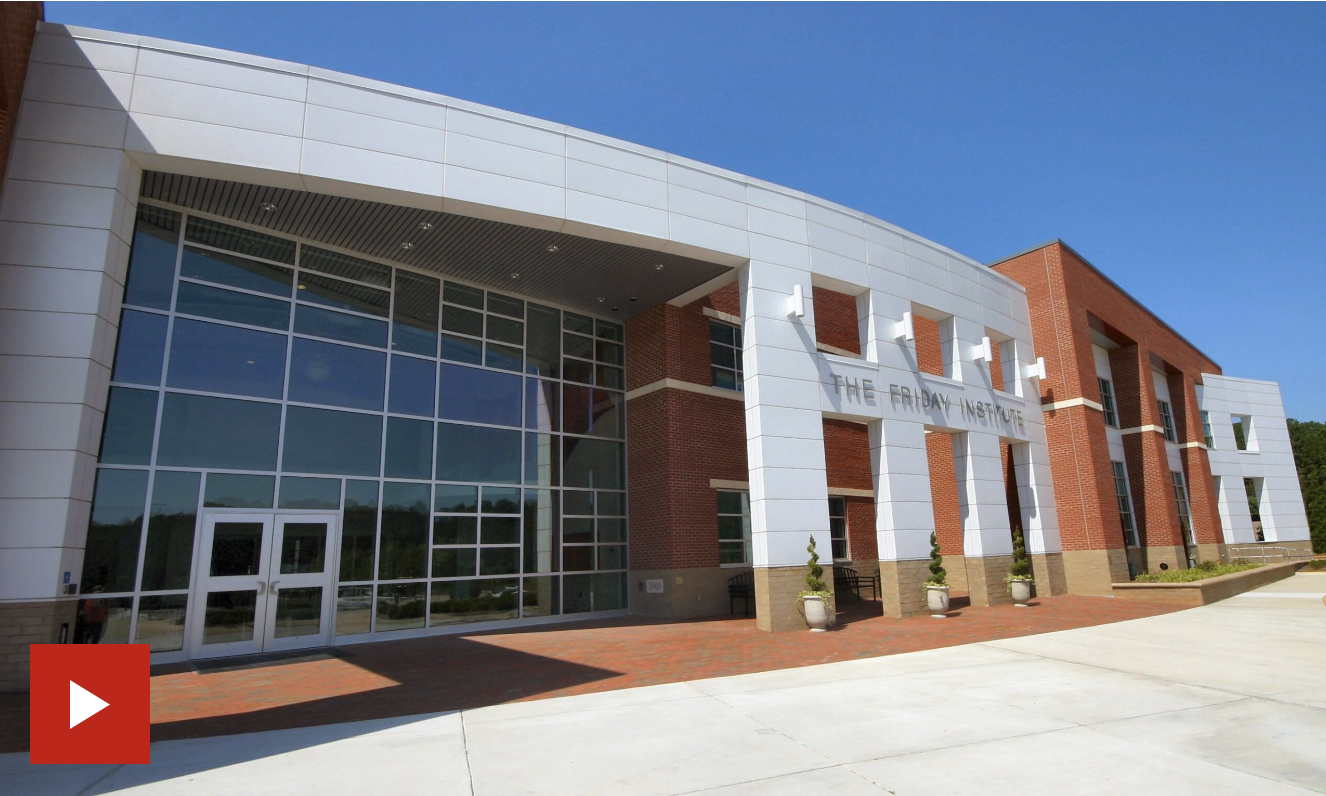
Under a contract from the NC Department of Public Instruction, the Friday Institute is leading a feasibility analysis and planning process to develop a large-scale statewide plan to support schools in providing these elements of success for their students.
PROJECT TEAM
- Dr. Glenn Kleiman
Co-Director - Phil Emer
Co-Director - Emmy Coleman
Research Associate - Larry Creglow
Senior Consultant - Dr. Rodolfo Argueta
Research Associate - Dr. Jeni Corn
Senior Research Associate - Verna Lalbeharie
Senior Program Associate - Sherry Booth
Graduate Research Assistant